

Potion Crafting Mini Game
Board
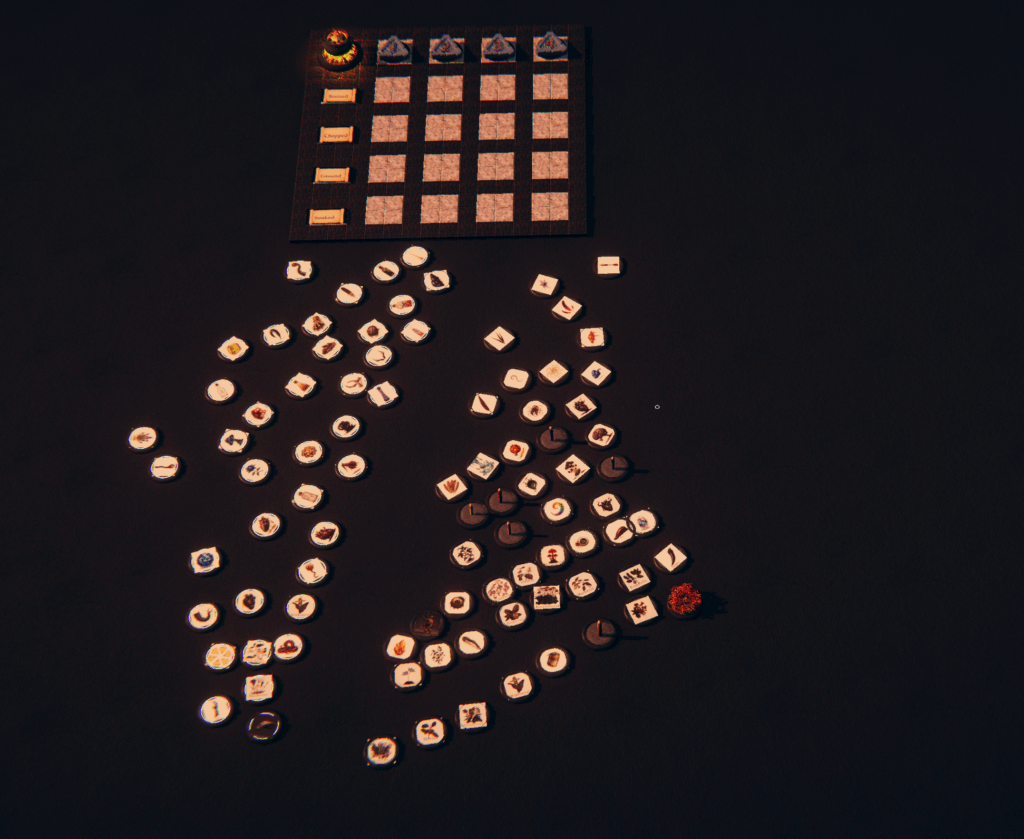
Based on the Potions Puzzle published by Drag N Drop Games.
The steps to brewing a potion are:
1. The DM chooses a type of potion and
magical effect.
2. Find the ingredients.
3. Find the clues.
4. Discover the recipe.
5. Brew the potion.
Although the craft of brewing is usually
associated with potion making, players can
also create inks, oils, perfumes, dyes and
polishes. Each substance has its own
unique effects.
Potions: The most common use of
brewing is the creation of
magical potions. Potions can be
used by anyone, but only allow
a single use.
Inks: Magical inks are used to scribe
scrolls and create tattoos which
fade after one use.
Oils: Magical oils are used to treat
wood and leather which imbues
them with magic. Magic items
created this way can be used
fifty times before the magic
runs out. Oils must contain at
least one uncommon or rare
ingredient.
Perfumes: Magical perfumes imbue the
recipient with their magic. A
bottle of perfume can be used
fifty times before it runs out.
Perfumes must contain at least
one uncommon or rare
ingredient.
Dyes: Magical dyes colour cloth and
threads which imbues them
with permanent magic. Dyes
must at least contain one rare
ingredient.
Polishes: Polishes are used to treat metal
which imbues them with
permanent magic. Polishes
must contain at least one rare
ingredient.
The DM decides which magical effect a
potion bestows. You could decide a recipe
yields a love potion, that a dye makes
fabric invisible or that an oil creates a
magic wand. It is completely up to you. Of
course, you can also pick existing magic
items from other source material. Recipes
are organised in nine levels. If you’re
playing a version of Dungeons & Dragons
or Pathfinder, you can tie the level of the
recipe to the level of the spell it yields.
2. Find the ingredients
Potions are always created using four
ingredients. Each of the four to go into
the cauldron must be prepared in a unique
way. No preparation method or ingredient may
be used more than once in any potion.
Ingredients can be chopped, ground, soaked or
bruised.
For a bit of flavour, I chose that if they get the recipe wrong, they use up their ingredients and the potion, ink, oil, perfume, or dye will have either an undesired effect, or some other disastrous consequence.
I have compiled a potions recipe spreadsheet. Just plug your ingredients into the ingredients sheet, create your recipes on the recipes sheet, and the inspector sheet will tell you if you’ve used a recipe combination before or not as well as list all of the possible combinations so you can just grab one you haven’t used yet. Happy Potion Crafting!
https://docs.google.com/spreadsheets/d/1gBJCRQw0sBzh7MucornFrLFAsZ3aFj3BRYoAm0ZcobU/copy?usp=sharing
